Ovarian Cancer Treatment Explained: Surgery, Chemotherapy & Targeted Therapy
Ovarian cancer is one of the most serious gynecological cancers affecting women worldwide. While receiving a diagnosis can be overwhelming, advancements in medical science have significantly improved treatment outcomes. Today, a combination of surgery, chemotherapy, and targeted therapy offers hope for many patients, especially when the disease is detected early.
Understanding the available treatment options can help patients and their families make informed decisions. In this guide, we explain ovarian cancer treatment in simple terms, including how surgery, chemotherapy, and targeted therapies work together to improve survival and quality of life.
What Is Ovarian Cancer?
Ovarian cancer develops when abnormal cells in the ovaries begin to grow uncontrollably. The ovaries are reproductive organs responsible for producing eggs and hormones such as estrogen and progesterone.
There are several types of ovarian cancer, but epithelial ovarian cancer is the most common. Because symptoms are often vague in the early stages, many women are diagnosed when the disease has already spread beyond the ovaries.
Common symptoms may include:
- Persistent bloating
- Pelvic or abdominal pain
- Feeling full quickly while eating
- Frequent urination
- Unexplained weight loss
- Changes in bowel habits
- Fatigue
Early diagnosis and prompt treatment can make a significant difference in outcomes.
How Is Ovarian Cancer Diagnosed?
Before starting treatment, doctors perform several tests to determine the stage and extent of the disease. These may include:
- Pelvic examination
- Ultrasound imaging
- CT scan or MRI
- Blood tests, including CA-125
- Biopsy or surgical evaluation
Once the diagnosis is confirmed, a multidisciplinary cancer team develops a personalized treatment plan.
1. Surgery for Ovarian Cancer
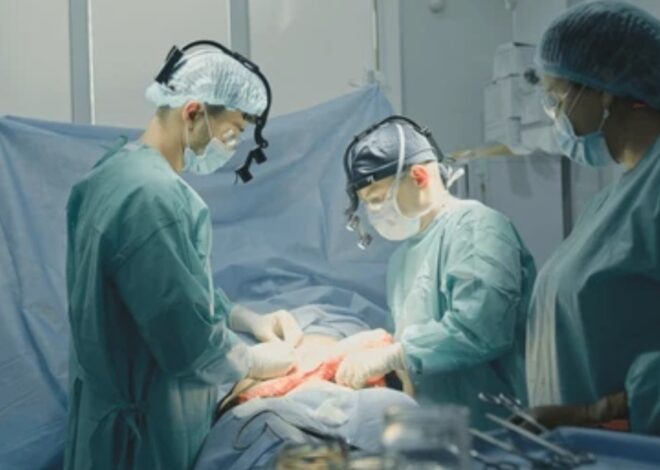
Surgery is often the first and most important step in ovarian cancer treatment. The primary goal is to remove as much of the cancer as possible.
Types of Ovarian Cancer Surgery
1. Early-Stage Surgery
If cancer is detected at an early stage and remains confined to one ovary, surgeons may remove:
- The affected ovary
- Fallopian tube
- Nearby tissues for examination
In selected younger patients, fertility-preserving surgery may be possible.
2. Cytoreductive (Debulking) Surgery
For advanced ovarian cancer, surgeons aim to remove all visible tumors from the abdomen and pelvis.
This may involve removing:
- Both ovaries
- Fallopian tubes
- Uterus
- Omentum (fatty tissue covering abdominal organs)
- Affected lymph nodes
- Portions of nearby organs if cancer has spread
Studies show that patients who undergo successful debulking surgery often have better survival outcomes.
Importance of Choosing an Experienced Surgeon
The success of ovarian cancer surgery depends heavily on the surgeon’s expertise. Consulting an experienced ovarian cancer surgeon in Lucknow can help ensure accurate staging, optimal tumor removal, and better overall treatment results.
2. Chemotherapy for Ovarian Cancer
After surgery, most patients require chemotherapy to destroy any remaining cancer cells that cannot be seen with imaging or during surgery.
How Chemotherapy Works
Chemotherapy uses powerful medications that circulate throughout the body to kill rapidly dividing cancer cells.
The most commonly used drugs include:
- Carboplatin
- Cisplatin
- Paclitaxel
- Docetaxel
These medications may be given through a vein (intravenously) or directly into the abdominal cavity in certain cases.
When Is Chemotherapy Needed?
Chemotherapy is generally recommended:
- After surgery for most ovarian cancers
- Before surgery if tumors are too large
- For recurrent ovarian cancer
- For advanced-stage disease
Number of Chemotherapy Cycles
Most patients receive 6 cycles of chemotherapy, typically administered every 3 weeks. The exact treatment schedule depends on the stage and response to treatment.
Common Side Effects
Modern supportive care has made chemotherapy much more manageable than in the past.
Possible side effects include:
- Hair loss
- Nausea and vomiting
- Fatigue
- Reduced immunity
- Appetite loss
- Numbness in hands and feet
Most side effects improve after treatment is completed.
3. Targeted Therapy for Ovarian Cancer
Targeted therapy represents one of the most significant advances in ovarian cancer treatment.
Unlike chemotherapy, which attacks rapidly growing cells broadly, targeted therapy focuses on specific molecular pathways that help cancer cells survive.
What Is Targeted Therapy?
Targeted drugs identify and block cancer-specific mechanisms while minimizing damage to healthy cells.
These treatments are especially effective for patients with certain genetic mutations such as BRCA1 and BRCA2.
Common Targeted Therapy Drugs
PARP Inhibitors
PARP inhibitors have transformed ovarian cancer care.
Examples include:
- Olaparib
- Niraparib
- Rucaparib
These medications prevent cancer cells from repairing damaged DNA, ultimately causing them to die.
Bevacizumab
Bevacizumab works by blocking blood vessel formation that tumors need to grow.
It may be used:
- Along with chemotherapy
- As maintenance treatment
- For recurrent ovarian cancer
Benefits of Targeted Therapy
Advantages include:
- Improved progression-free survival
- Delayed recurrence
- Personalized treatment approach
- Better outcomes in selected patients
Your oncologist may recommend genetic testing to determine whether targeted therapy is suitable for you.
Personalized Treatment Plans
Every ovarian cancer patient is unique. Treatment decisions depend on several factors:
- Cancer stage
- Tumor type
- Age and overall health
- Genetic mutations
- Fertility considerations
- Previous treatment history
A multidisciplinary team often includes:
- Surgical oncologists
- Medical oncologists
- Radiologists
- Pathologists
- Genetic counselors
This collaborative approach helps create the most effective treatment strategy.
What Happens After Treatment?
Completing treatment does not mean the journey is over. Regular follow-up care is essential to monitor recovery and detect any recurrence early.
Follow-up appointments may include:
- Physical examinations
- CA-125 blood tests
- CT scans when necessary
- Symptom monitoring
Patients are also encouraged to maintain a healthy lifestyle through balanced nutrition, regular exercise, and emotional support.
Advances in Ovarian Cancer Treatment
Recent developments have improved outcomes for many women:
- Precision medicine
- Genetic testing
- Immunotherapy research
- Advanced minimally invasive surgery
- Maintenance targeted therapies
As research continues, newer treatment options are expected to further improve survival rates and quality of life.
Conclusion
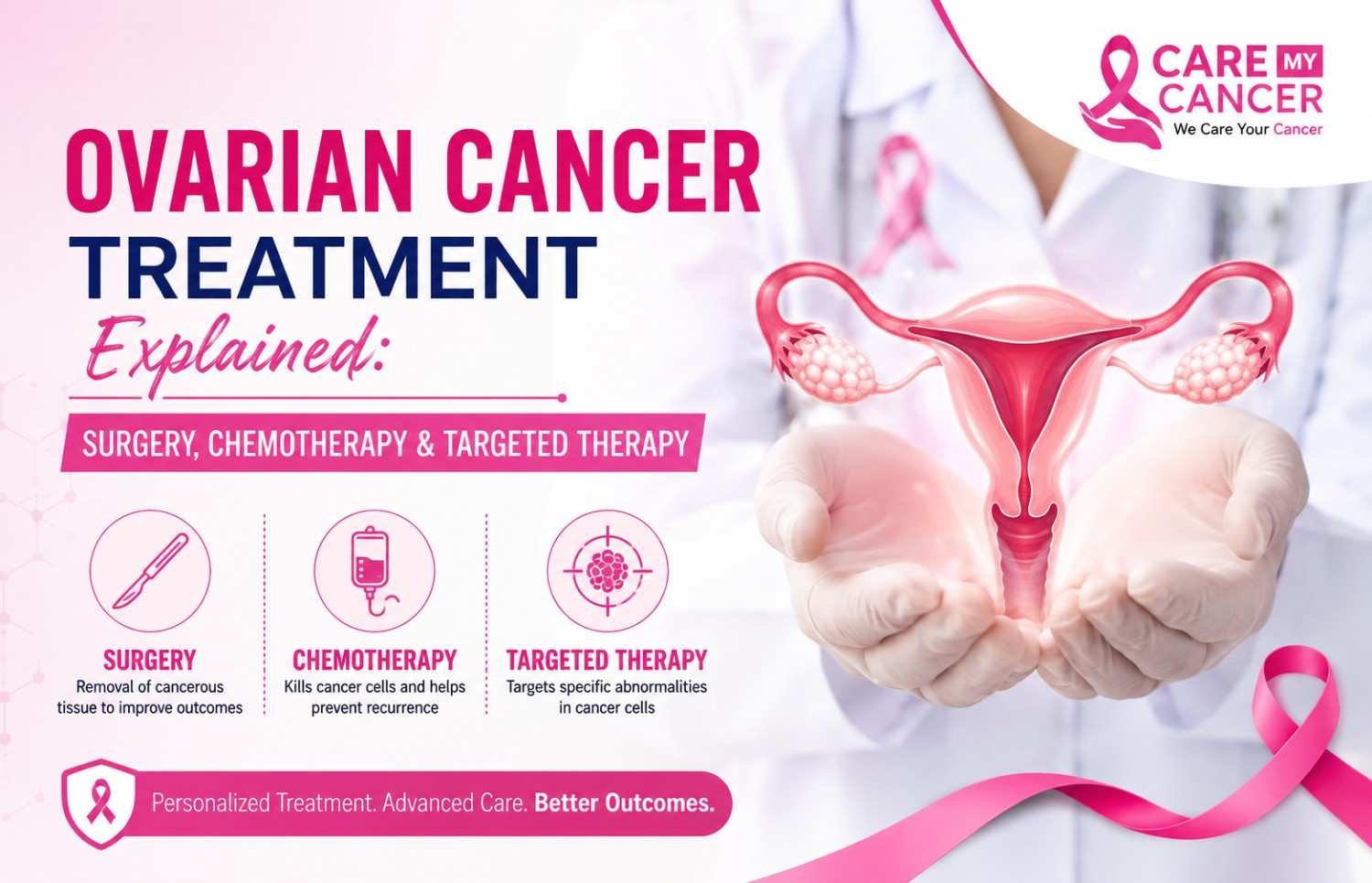
Ovarian cancer treatment has evolved significantly over the past decade. Surgery remains the cornerstone of treatment, while chemotherapy helps eliminate microscopic disease. Targeted therapies have introduced a more personalized and effective approach, particularly for patients with specific genetic mutations.
The key to achieving the best results is early diagnosis, timely intervention, and treatment under experienced cancer specialists. Consulting a qualified ovarian cancer surgeon in Lucknow can help patients receive comprehensive care tailored to their specific needs.
While ovarian cancer treatment can be challenging, modern medical advancements continue to offer new hope and improved outcomes for women across all stages of the disease. If you or a loved one experiences persistent symptoms, seeking expert medical advice without delay can make a significant difference.
Related Keywords: ovarian cancer surgeon in Lucknow, ovarian cancer treatment, targeted therapy for ovarian cancer, ovarian cancer surgery, chemotherapy for ovarian cancer, gynecologic oncology, cancer care, rectum cancer doctor in Lucknow.